Approved by ISRO - Registered Space Tutor of ISRO - Stellar Adventures
Astro Tours & Dark Sky Camping in Ladakh

Stargazing in Ladakh
Under India's Darkest Skies

Join us for guided stargazing tours, telescope viewing, and astro camping under Ladakh's darkest skies. We take you from Hanle Dark Sky Reserve to Pangong and Nubra Valley, where 300+ cloudless nights light up the year. The season runs May to October.

Leh Hanle Dark Sky Reserve Pangong Lake Nubra Valley
0+
Happy Stargazers
0+
Years of Cosmic Exploration
0+
Celestial Gatherings
0%
Positive Feedback
Why the World Comes Here to Stargaze

Why Ladakh Has India's Best Night Skies

First, what is stargazing? It is the simple act of reading the night sky with your own eyes and through telescopes: tracing constellations, watching planets, catching shooting stars, and following the Milky Way across the dark. You do not need any astronomy experience. Where you do it decides everything, and that is why we bring you to Ladakh.

Simple physics. At 3,500 to 4,500 m, you stand above the densest, dustiest layers of the atmosphere. The air over this high-altitude cold desert is thin, dry, and stable, and the Himalayan rain shadow gifts Ladakh around 300 cloudless nights a year while the rest of India sits under monsoon clouds.

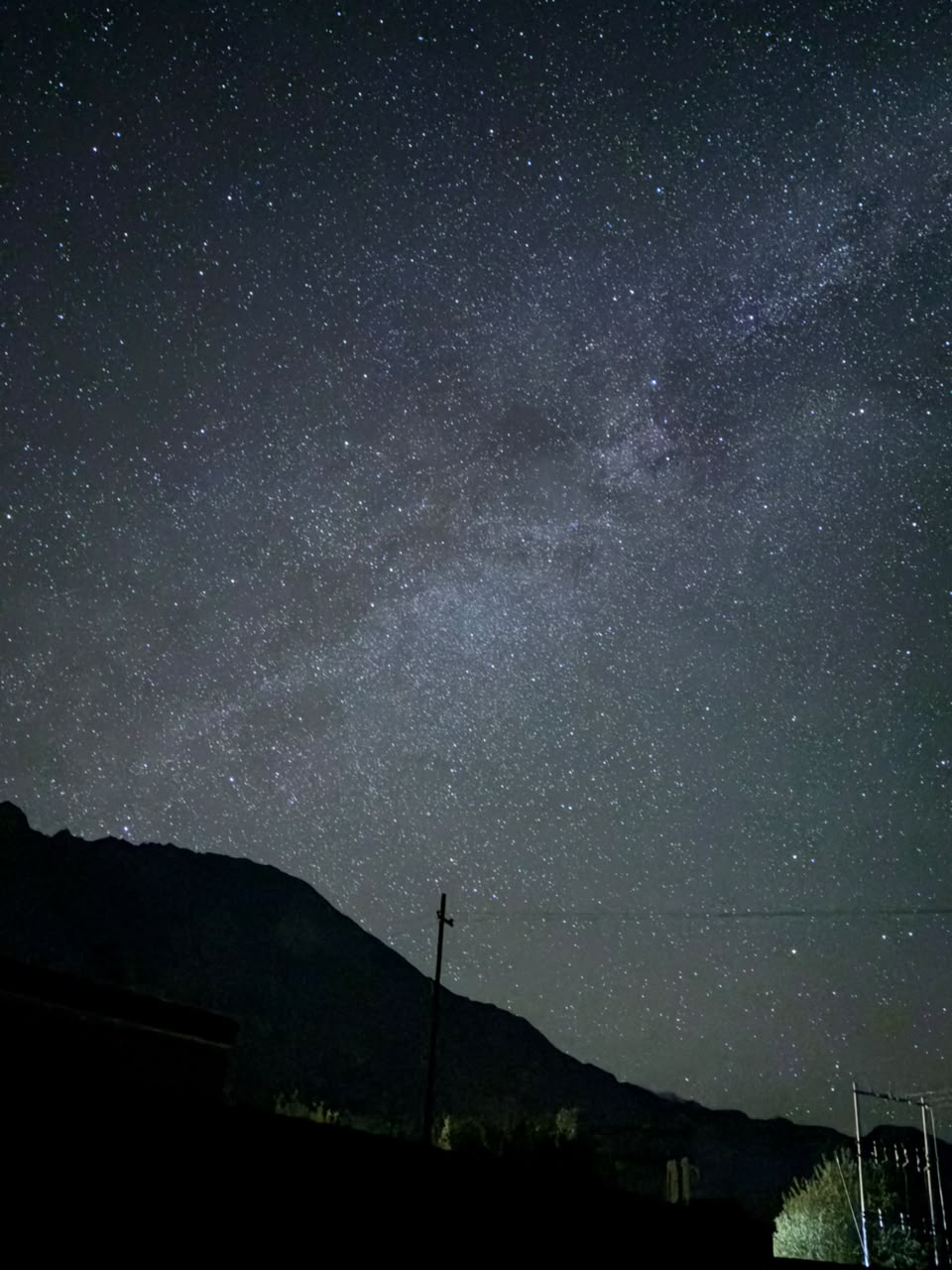
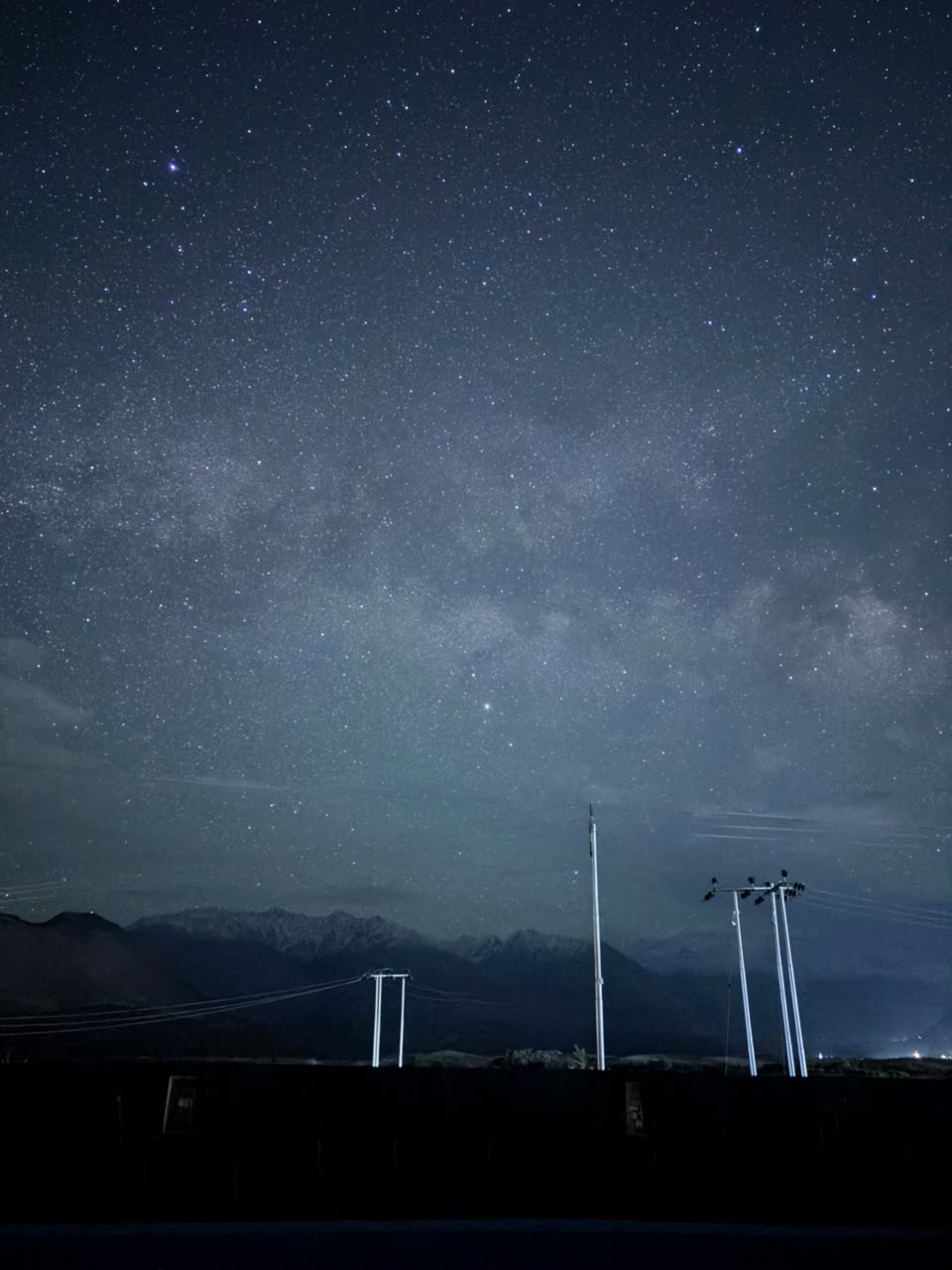
Now remove the light. Out on the Changthang plateau there are no cities, no highways, no glow on the horizon. Hanle measures Bortle 1, the darkest rating a night sky can get. On a new moon night the Milky Way core does not just appear, it throws faint shadows on the ground.

That combination is exactly why India placed its highest observatory here and declared Hanle the country's first Dark Sky Reserve. Ladakh stargazing is not a version of city skywatching. It is a different sky altogether, and we take you straight into it.

4,500 mAltitude at Hanle
Bortle 1Darkest sky class
300+Clear nights a year
May-OctTravel season
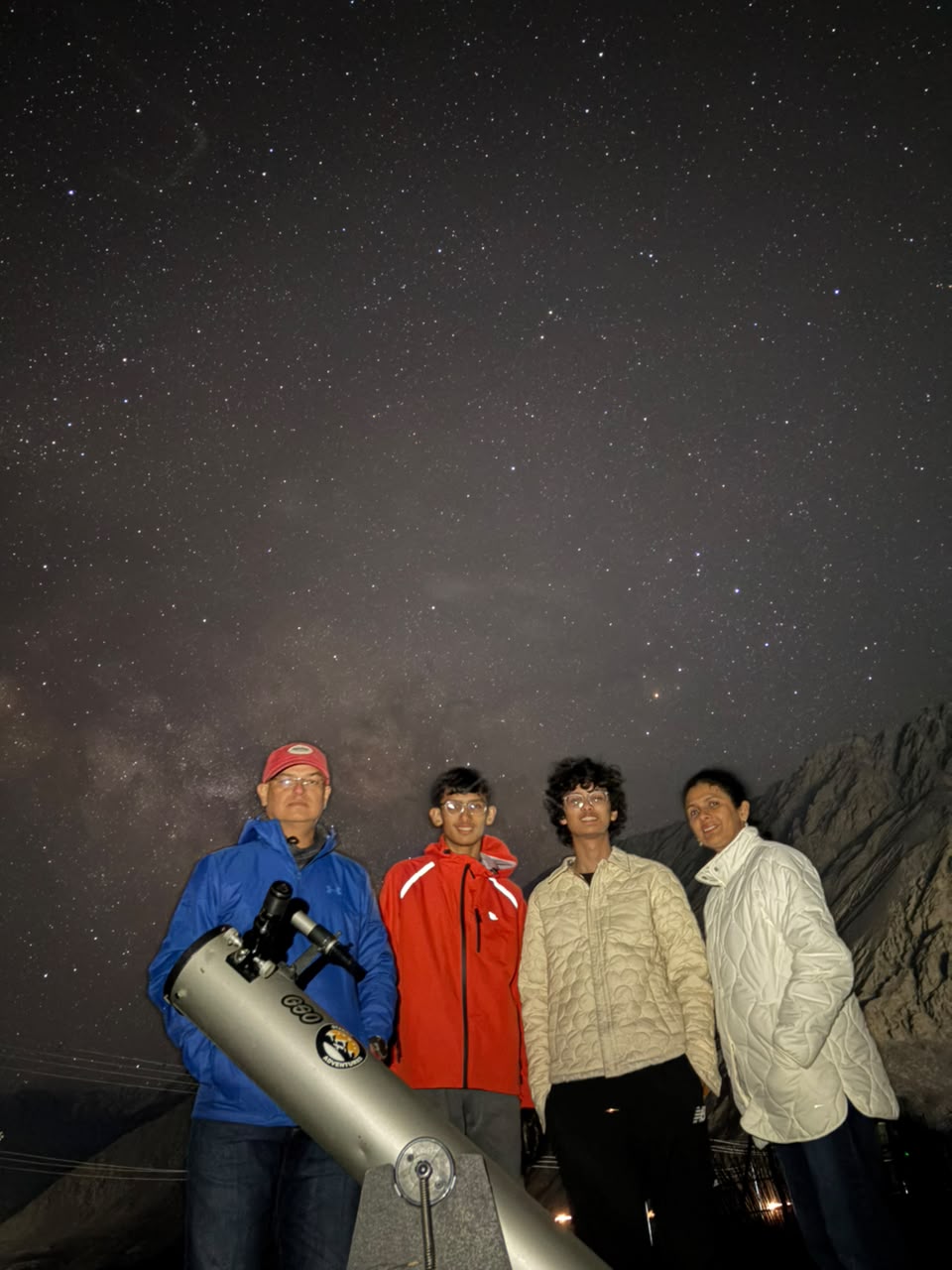
Family stargazing through a telescope on a clear Ladakh night
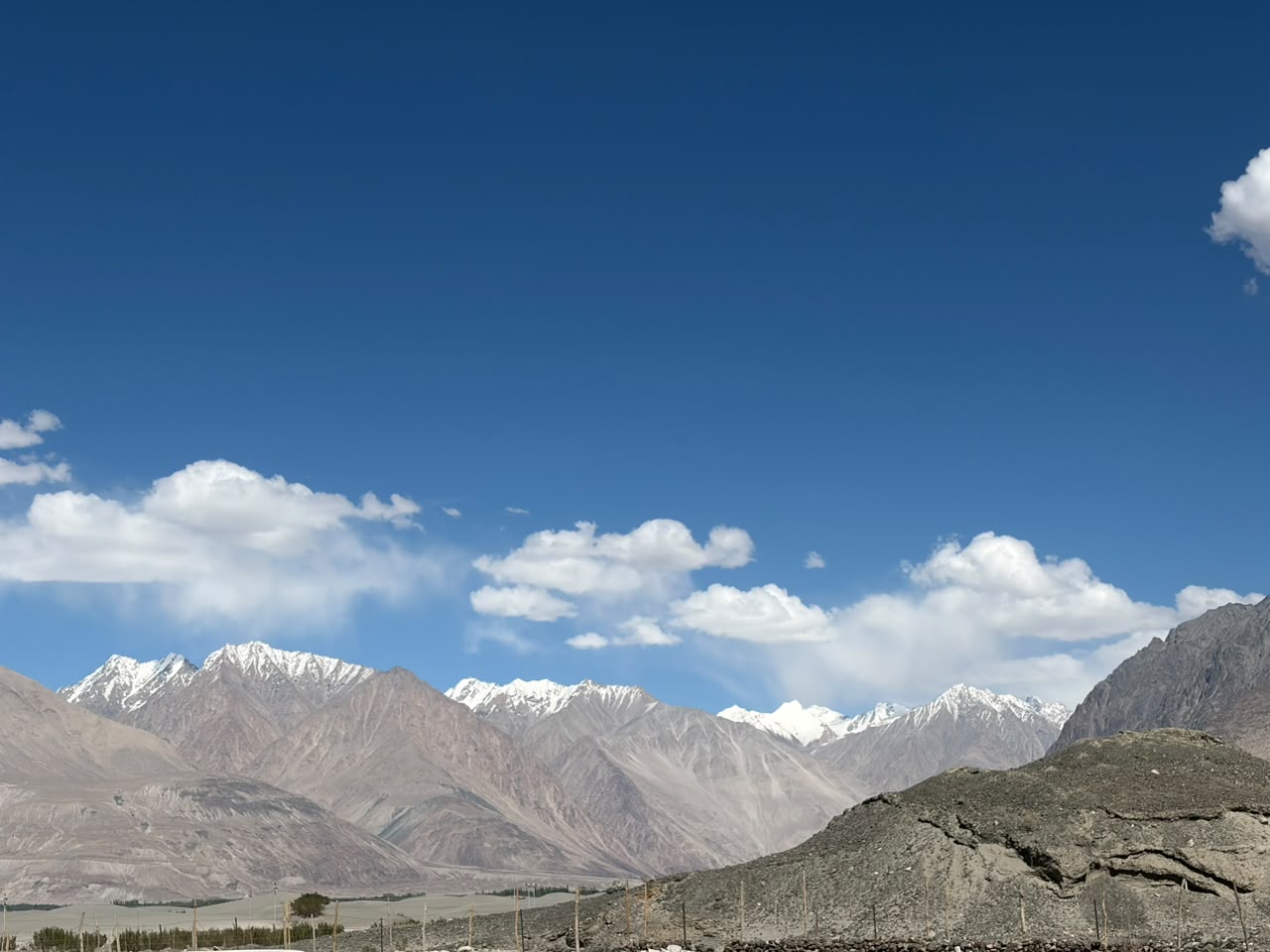
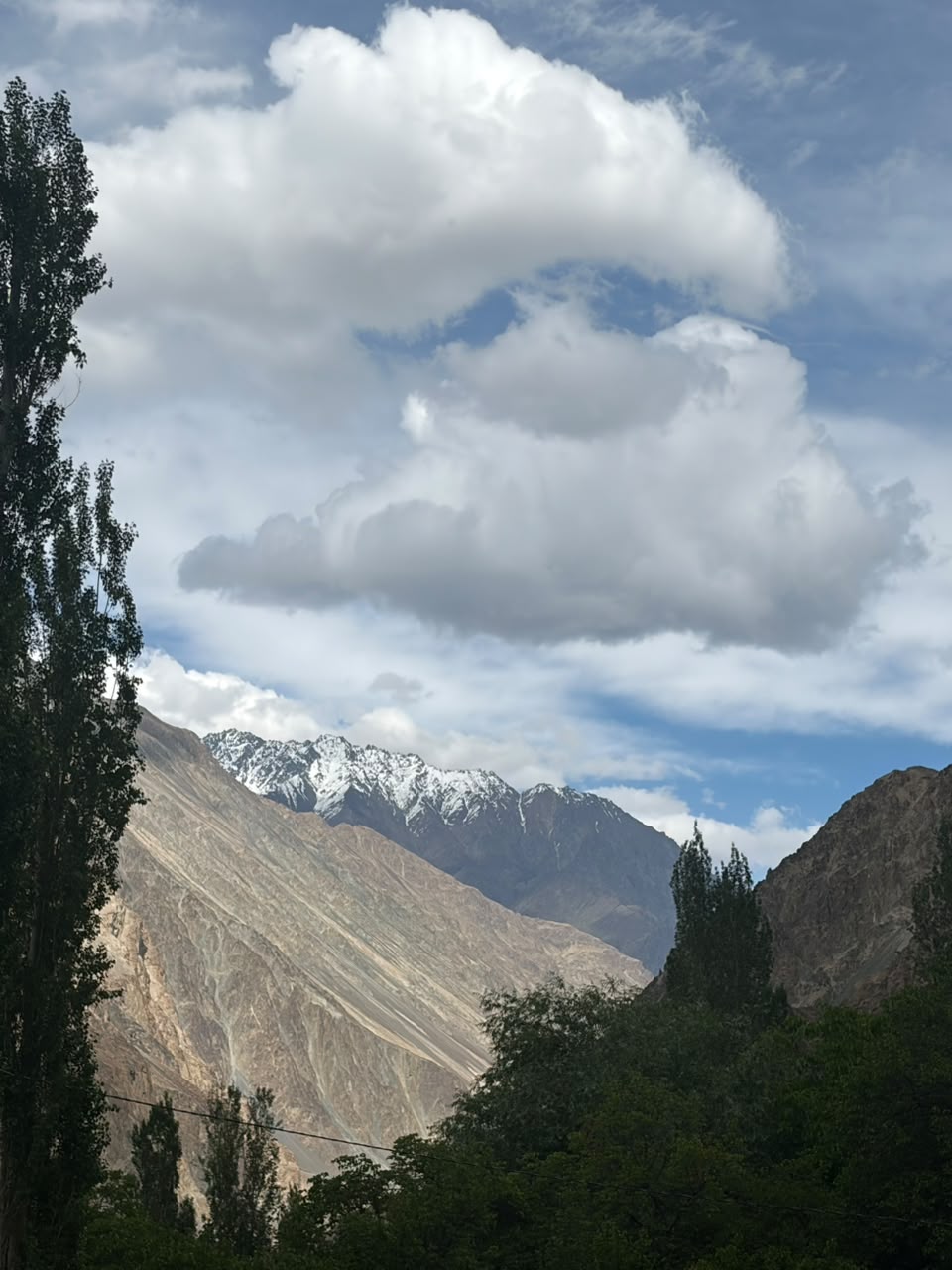
Snow-capped Himalayan range above the Ladakh valley on a clear day
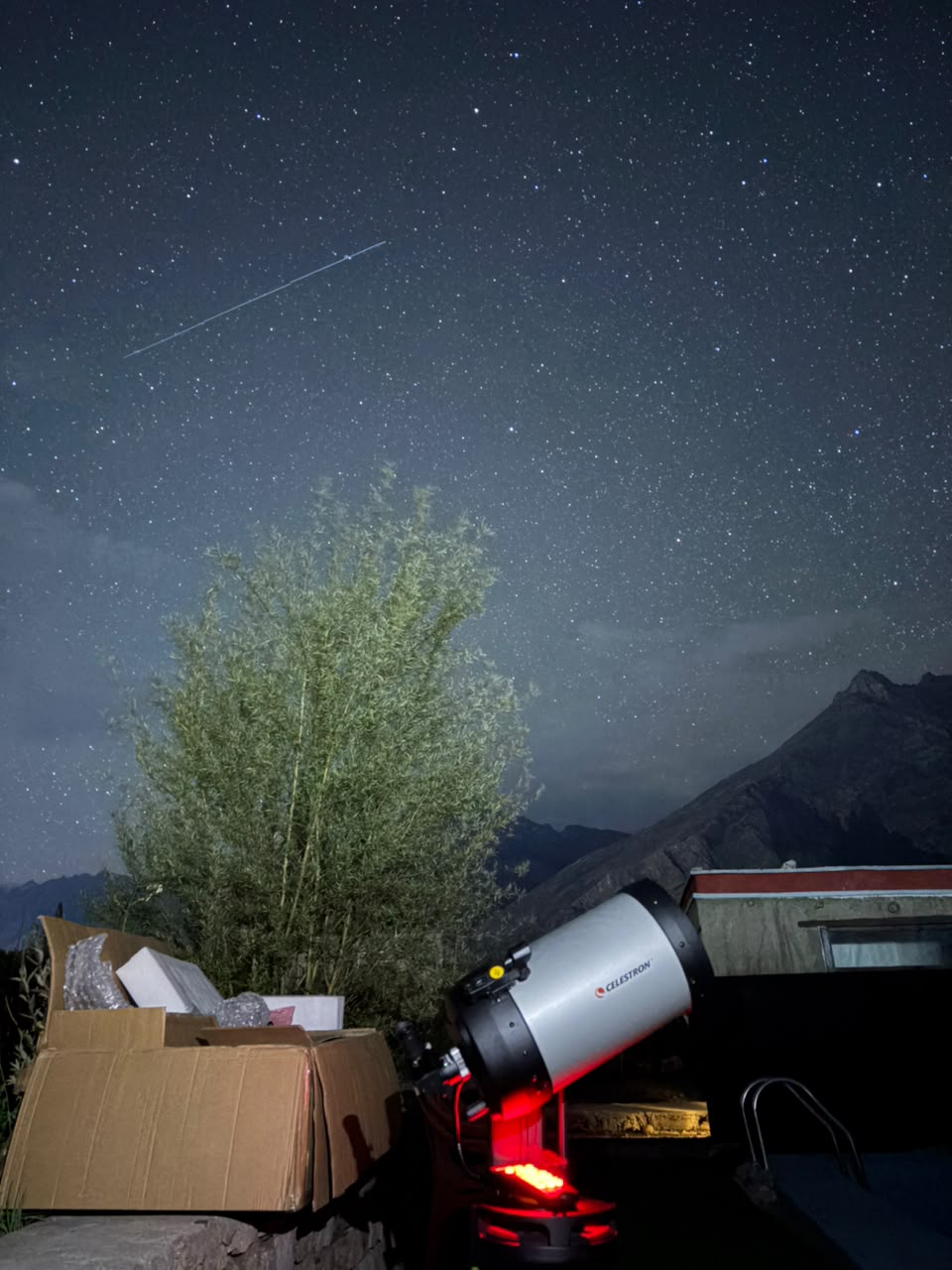
Celestron telescope set up under a star-filled Ladakh sky, a satellite trail crossing overhead
Telescope night
Who We Are

Stellar Adventures: Journey to Infinity and Beyond

Searching for the best stargazing in Ladakh? We are a team of passionate, experienced astronomers who believe you deserve more than city lights and light pollution. And Ladakh gives you some of the darkest, clearest skies on the planet.

At 4500m altitude in Ladakh's high-altitude cold desert, Hanle Dark Sky Reserve offers Bortle class 1 skies where the Indian Institute of Astrophysics operates the 2-m Himalayan Chandra Telescope. We combine careful acclimatization with telescope viewing through high-powered professional-grade optics at these dark sky sites. Our astronomers explain the science in clear words, so curious minds of all ages can follow every part of the session.

Out on the Changthang plateau, near Ladakh's ancient monasteries and fluttering prayer flags, this Roof of the World becomes your open-air planetarium. Whether you are a first-time traveler, a rider crossing the high passes, or a photographer chasing the galactic core, we have built every Ladakh experience around the sky, the altitude, and you.

Bortle 1 Telescope Nights

We guide you under the darkest sky class on Earth. Our astronomers explain planets, nebulae, and the galactic core through professional optics, step by step.

Hanle, Pangong & Nubra Routes

We plan your circuit around the dark-sky sites: Hanle Dark Sky Reserve, Pangong's lakeshore, Nubra's dunes, and 20+ scouted spots.

High-Altitude Astrophotography

Milky Way panoramas, star trails over monasteries, and lake reflections at Pangong. We guide your camera through the thin, dark air.

Permits & Acclimatization Care

Inner Line Permits, route planning, acclimatization days in Leh, and warm layers at night. We handle the hard parts of high-altitude travel.

Services We Deliver

Ladakh Astro Tours for Every Traveler

We build Ladakh stargazing packages around the way you want to travel, from private date nights and honeymoon retreats to corporate team-bonding, school STEM field trips, and astro-tourism with glamping.

You can also ride with us across Ladakh's highest motorable roads, including Khardung La and Umling La at 5800m+. Every booking can combine telescope viewing, astrophotography, astro camping, and dark sky exploration at Hanle, Pangong, Nubra, and 20+ Bortle 1-2 sites.

Hanle Dark Sky Tour

Our flagship. Telescope nights inside India's first Dark Sky Reserve, beside the Indian Astronomical Observatory belt.

  • Bortle 1 skies at 4,500 m altitude
  • Daytime observatory-belt visit
  • New moon window planned for you
  • Permit support for the Hanle route

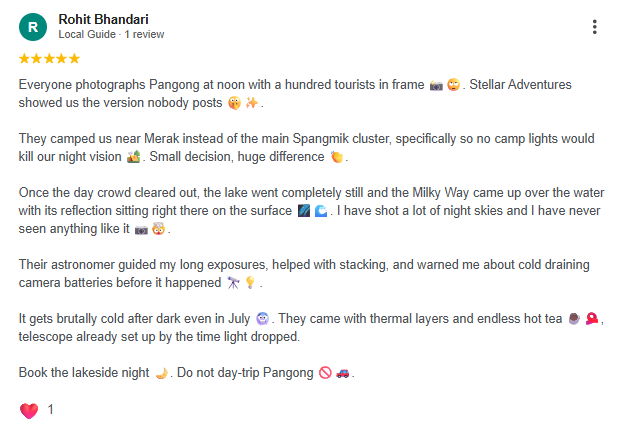
Pangong & Tso Moriri Lake Nights

We set up your stargazing night beside the lake, where starlight reflects off the high-altitude water.

  • Milky Way mirrored on Pangong Tso
  • Lakeside camps at Spangmik and Merak
  • Quieter skies at Korzok, Tso Moriri
  • Thermal layers and hot drinks arranged

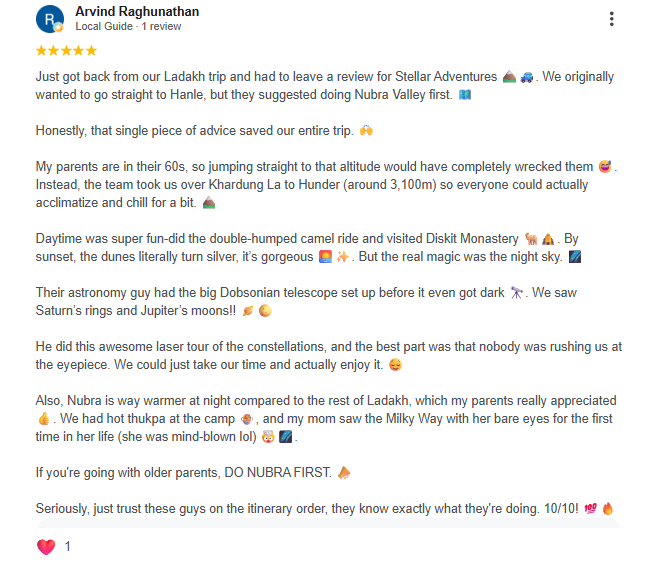
Nubra Valley Astro Camps

We pair Nubra's sand dunes and double-humped camels by day with expansive dark skies at a gentler altitude by night.

  • Camps around Diskit, Hunder, Sumur
  • Warmer nights, easier for families
  • Reached over the Khardung La pass
  • Great first stop before Hanle

Bike Trips Under the Stars

Ride Ladakh's highest motorable roads by day, then let us lead your stargazing halt under the galaxy at night.

  • Khardung La and Umling La routes
  • Stargazing halts built into the ride
  • Backup vehicle and route planning
  • For groups and solo riders alike

Astrophotography Expeditions

Bring your DSLR, mirrorless, or phone, and we help you chase the galactic core across Ladakh.

  • Milky Way, star trails, timelapses
  • Long exposure and stacking coaching
  • Foregrounds: lakes, dunes, monasteries
  • Cold-weather battery care tips

Astro Glamping & Homestays

Sleep warm under the coldest skies. We match your comfort level to the right stay.

  • Glamping domes and swiss tents
  • Local homestays at Hanle village
  • Home-cooked meals and hot drinks
  • Telescope session at your doorstep

Group, Corporate & College Trips

We shape a Ladakh astro expedition your team or class will talk about for years.

  • Custom itineraries from Leh
  • Astronomy activities and sky quizzes
  • STEM add-ons for student groups
  • Stays, food, and transport arranged

Meteor Shower Specials

We time your trip around the year's biggest celestial events over Ladakh's black skies.

  • Perseids in peak August season
  • Orionids in crisp October air
  • Eclipse and supermoon gatherings
  • Shooting stars in every direction
See Upcoming Stargazing Events
The Crown Jewel

Hanle: Inside India's First Dark Sky Reserve

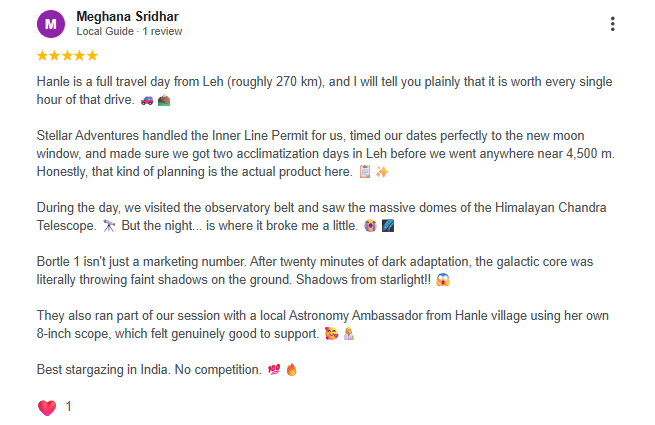
Hanle is not just another pretty sky. It is a protected one. In December 2022, a roughly 22 km radius around this Changthang village became the Hanle Dark Sky Reserve, India's first, run jointly by UT Ladakh, LAHDC Leh, and the Indian Institute of Astrophysics. The darkness here is defended by rules, not luck.

The Observatory

The Indian Astronomical Observatory sits above Hanle at about 4,500 m, one of the highest observatory sites in the world. Its 2 m Himalayan Chandra Telescope has scanned this sky for over two decades, and the MACE gamma-ray telescope, among the largest of its kind in Asia, stands beside it.

Day Visits Only

The observatory is a working research facility. You can visit the telescope domes in daylight, but there is no tourist viewing at night. Your night sky belongs to the open plateau, and that is where we set up.

Astronomy Ambassadors

The IIA trained two dozen Hanle villagers, most of them women, as Astronomy Ambassadors with their own 8-inch Dobsonian telescopes. When our tours run sessions with them, your money supports local Changpa families directly.

What a Bortle 1 Night Feels Like

Give your eyes twenty minutes. The Milky Way turns grainy with individual stars, zodiacal light climbs the horizon, and on the darkest nights starlight alone casts faint shadows. No photo prepares you for it.

Dec 2022India's first Dark Sky Reserve declared
~22 kmProtected dark-sky radius around Hanle
4,500 mAltitude of the observatory ridge
2 mHimalayan Chandra Telescope mirror
~270 kmDrive from Leh, a full travel day
Plan Your Hanle Trip
Route to HanleLehUpshiChumathangNyomaLomaHanle
Beyond Hanle

Ladakh's Other Great Dark-Sky Destinations

Hanle is the crown, but it is not the whole kingdom. Every route we plan for you can weave in one or more of these spots, each with its own altitude, its own mood, and its own version of the night sky. Here is what to expect at each one.

Pangong Tso

~4,225 m5-6 hrs from Leh via Chang LaBest May to October

You know this lake from the movies. What the movies never show you is what happens after sunset, when the crowds leave and the Milky Way rises over the water. On a new moon night you can watch starlight mirror off the lake's surface, one of the most surreal stargazing sights anywhere in India.

We run lakeside sessions from camps at Spangmik and Merak, picked away from the main tourist cluster so no camp lights spoil your night vision. Nights turn sharply cold here even in summer, so we come with thermal layers, hot drinks, and your telescope already set up by dark.

RouteLehKaruSaktiChang LaTangtseSpangmikPangong Tso

Tso Moriri

~4,522 m7-8 hrs from Leh via ChumathangBest June to September

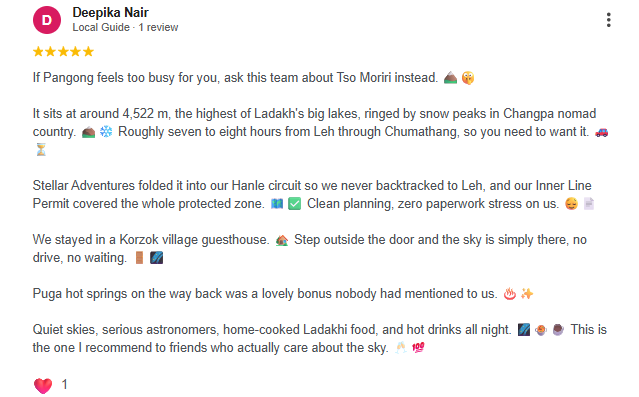
Want Pangong's magic without Pangong's footfall? Tso Moriri is the answer we give our serious stargazers and astrophotographers. This is the highest of Ladakh's big lakes, ringed by snow peaks in Changpa nomad country, and its skies stay wonderfully quiet.

You stay in Korzok village guesthouses, step out, and the sky is simply there: no filtering, no waiting. Because it sits inside a protected zone, your Inner Line Permit covers it, and we fold Tso Moriri neatly into a Hanle circuit so you never backtrack to Leh.

RouteLehUpshiChumathangMaheSumdoKorzokTso Moriri

Nubra Valley

~3,100 m5-6 hrs from Leh via Khardung LaBest May to October

Nubra is where we send you first if altitude worries you or you are traveling with kids or older family. At around 3,100 m it is the gentlest of Ladakh's dark-sky zones, with warmer nights, and it still delivers an expansive sky over the Hunder sand dunes.

Your day fills itself here: double-humped camels, Diskit Monastery, Turtuk village. Then night falls, the dunes go silver, and our telescopes come out. It is the perfect acclimatization stop before you push on to Pangong or Hanle later in your trip.

RouteLehSouth PulluKhardung LaKhalsarDiskitHunderNubra Valley

Lamayuru

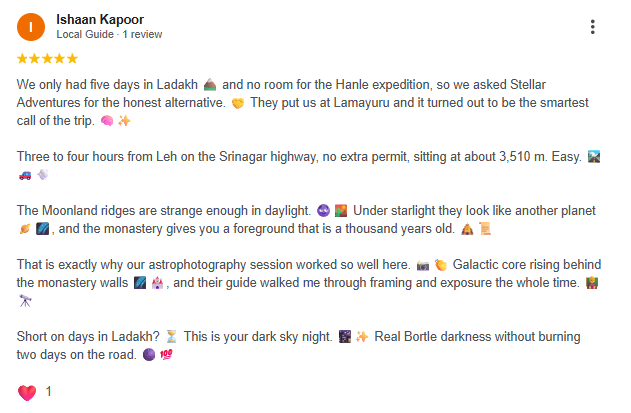
~3,510 m3-4 hrs from Leh on the Srinagar highwayBest April to October

They call it the Moonland of Ladakh, and once you see its eroded yellow ridges under starlight you will understand why. For your astrophotography, Lamayuru gives you the most dramatic foregrounds in the region: a thousand-year-old monastery against the galactic core.

It is also the easiest spot on this list to reach, sitting right on the Srinagar-Leh highway with no extra permit needed. If your Ladakh time is short, a Lamayuru night gives you a real dark-sky experience without a full expedition day on the road.

RouteLehNimmuBasgoKhaltseLamayuru

Tell us your dates and how you like to travel. We will map the right mix of Hanle, Pangong, Tso Moriri, Nubra, and Lamayuru into one smooth stargazing circuit for you.

Naked Eye First, Telescope Next

What You See in Ladakh's Night Sky

Ladakh is one of the few places in India where the sky performs before we even bring out the telescope. Here is what we help you find on a clear high-altitude night.

The Milky Way, Naked Eye

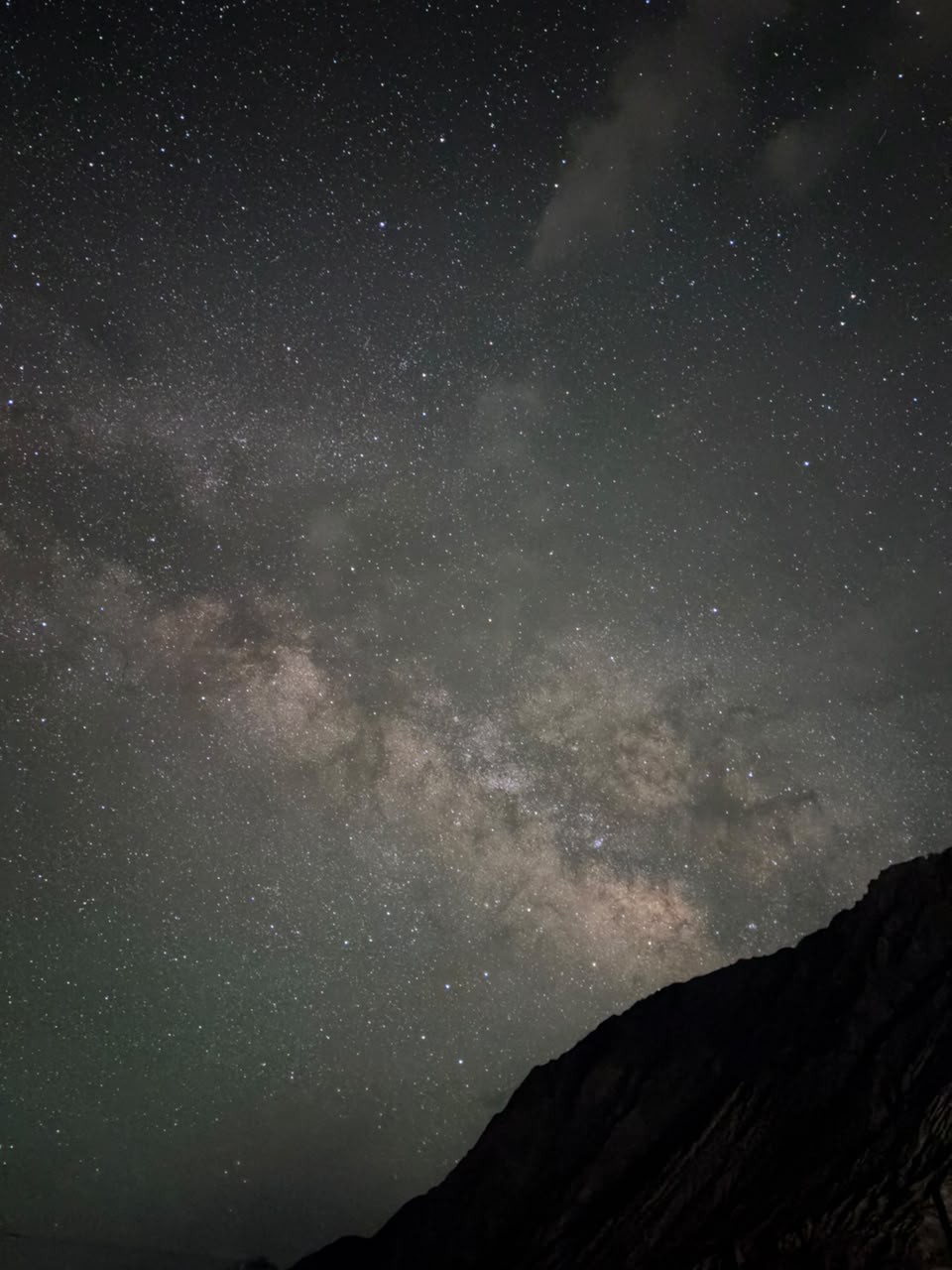
You will not need a telescope for this one. Stand at Hanle or Pangong on a new moon night and the galactic core arches over you, bright enough to cast faint shadows at your feet.Guests fall quiet the first time they see it. A city sky simply cannot show you this.

Thousands More Stars

Give your eyes twenty minutes at Bortle 1 and watch the sky fill in around you: star clouds, dark dust lanes, and constellations you know almost hidden by their own background stars.Many of our guests spot the zodiacal light here for the first time in their lives.

Planets in Sharp Detail

The thin, stable air sharpens everything you see through our telescopes: Saturn's rings, Jupiter's cloud bands and Galilean moons, even polar caps on Mars in season.You may have seen these planets before, but never with this sharpness and detail.

Deep Sky Treasures

Point our Dobsonians at the Orion Nebula, the Andromeda Galaxy, globular clusters, and Messier objects, and you will see real structure, not hints of it.The faint smudges you squint at from a city become showpieces when you stand under this darkness.

Meteors Almost Every Hour

Keep your eyes up and even an ordinary night hands you sporadic meteors. Catch a shower night like the Perseids or Orionids with us and the sky turns into fireworks for you.We time special trips to shower peaks across the May to October season, so tell us if shooting stars are your goal.

Satellites & the ISS

All night long you will catch satellites drifting between the stars, and we track bright International Space Station passes in advance for your dates so you never miss one.Children enjoy this one the most: a real spacecraft crossing a sky full of stars, visible with bare eyes.

More Than the Night Sky

Things to Do While Stargazing in Ladakh

A Ladakh night with us is never just an hour at the eyepiece. Your days fill with monasteries, dunes, and hot springs, your nights with the galaxy and a bonfire, and every meal in between stays warm, local, and ready for you.

After Dark
  • Guided telescope tours of planets, nebulae, and the galactic core
  • Milky Way astrophotography over lakes, dunes, and monasteries
  • Laser-guided constellation walks in plain, easy language
  • Bonfire nights with fun games and the sky opening up right above your tent
  • Sessions with Hanle's local Astronomy Ambassadors
By Day
  • Hanle monastery and Changpa nomad villages up close
  • Puga hot springs on the Tso Moriri route
  • Nubra's sand dunes and double-humped Bactrian camels
  • Drives over Umling La and Khardung La, the world's highest roads
  • Easy lakeside walks that double as gentle acclimatization

What You Eat Under the Stars

Cold nights need warm food, so every camp and homestay serves fresh, home-cooked Ladakhi meals. Tell us your preferences and we plan the whole menu around them.

Thukpa & momosDal, rice & sabziButter & masala teaPure veg & Jain optionsBonfire dinner + breakfastHot drinks all night
Our Ladakh Stargazing Gallery

Nights We Have Lived Under This Sky

Real telescopes, real dark-sky nights, and real reactions from our stargazers. Fresh frames from our Ladakh expeditions land here after every season.

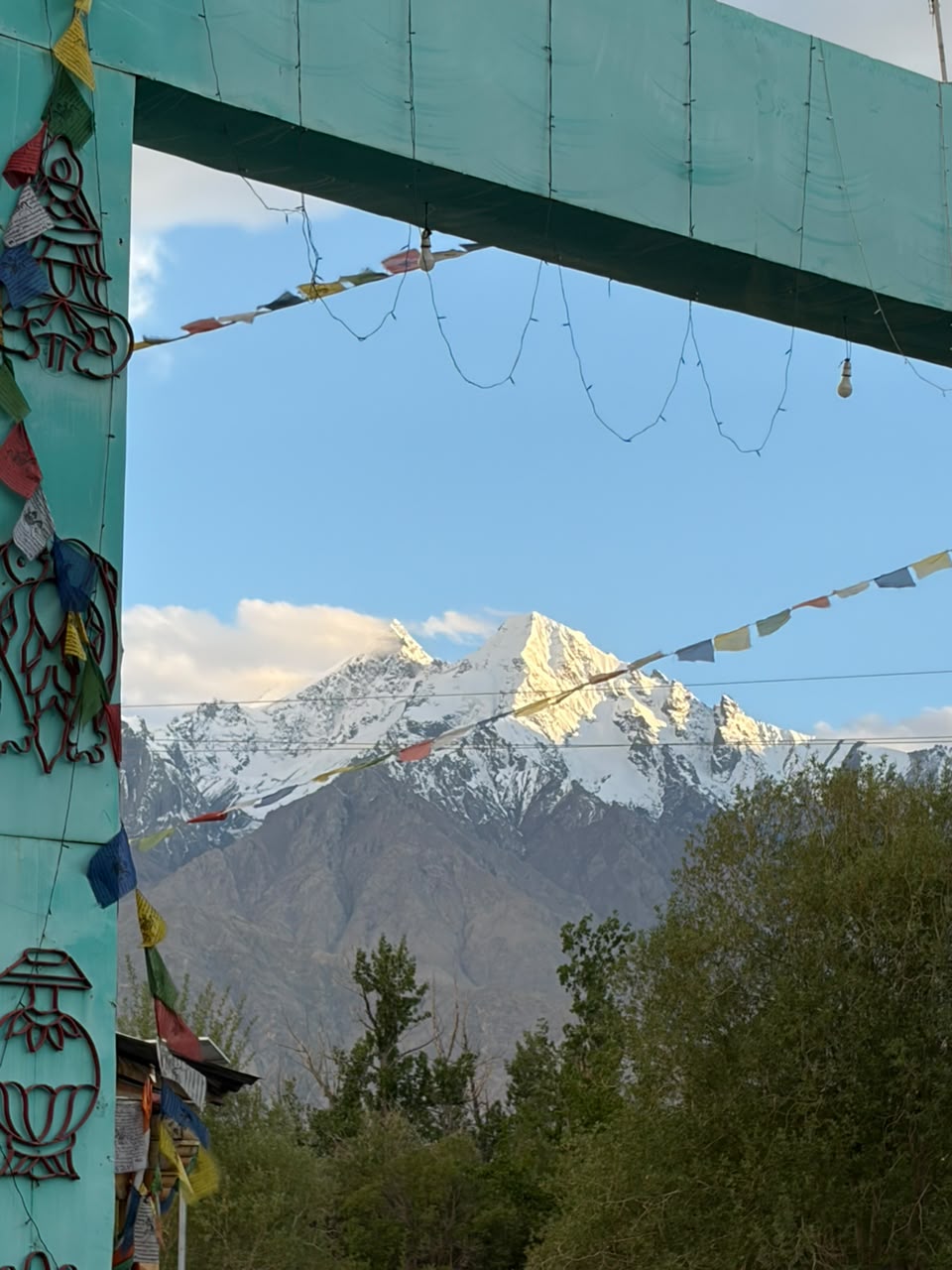
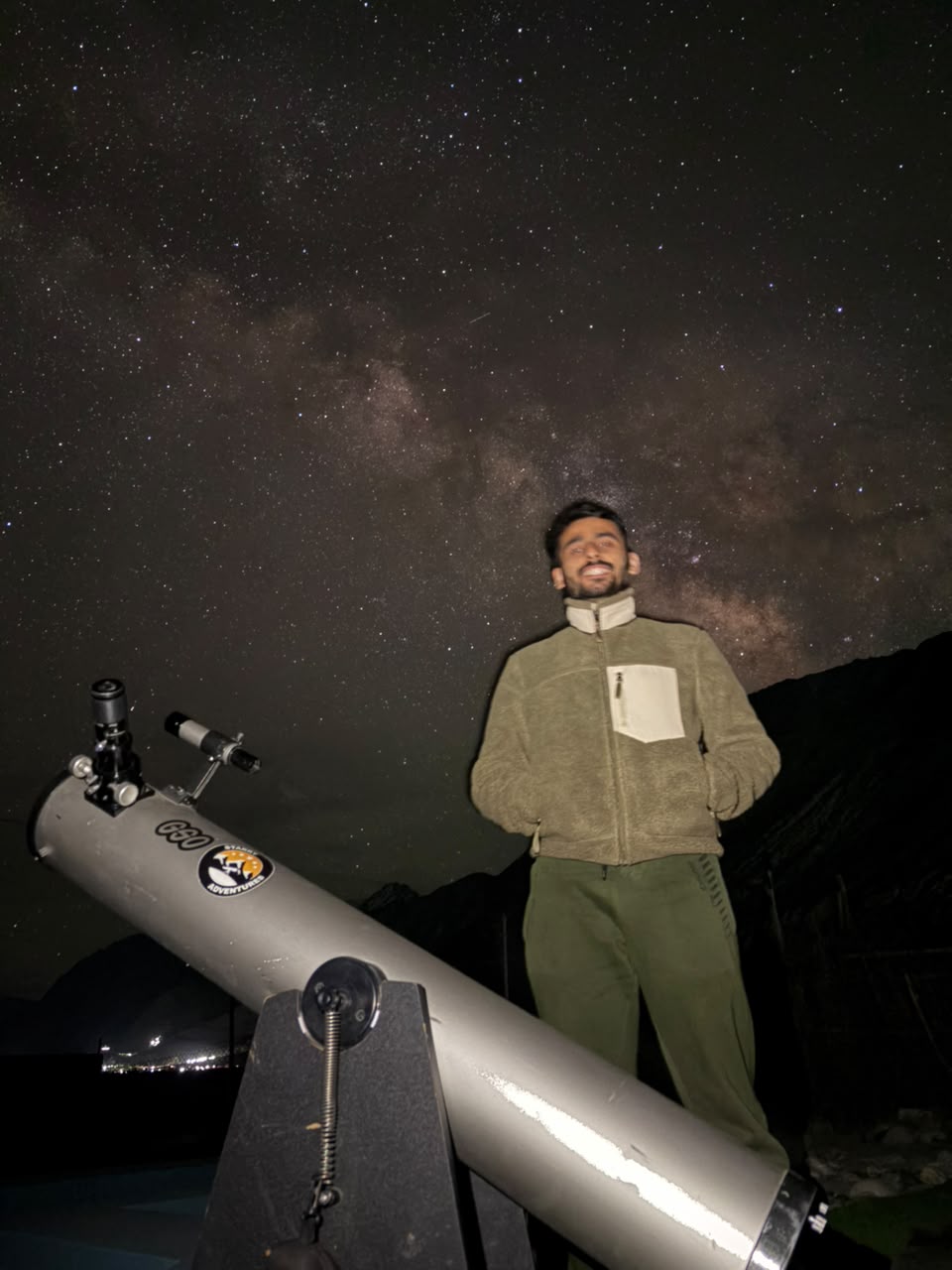
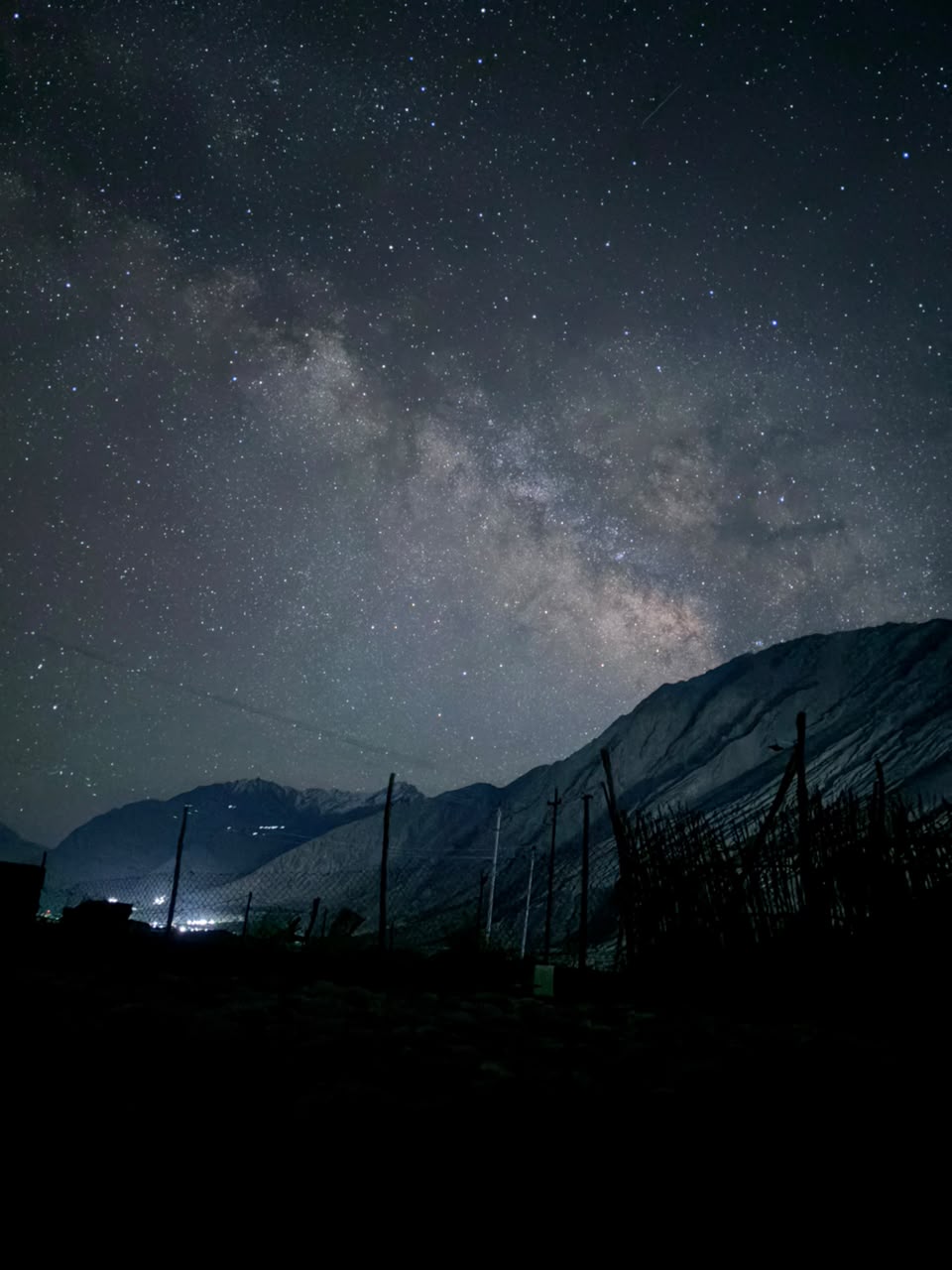
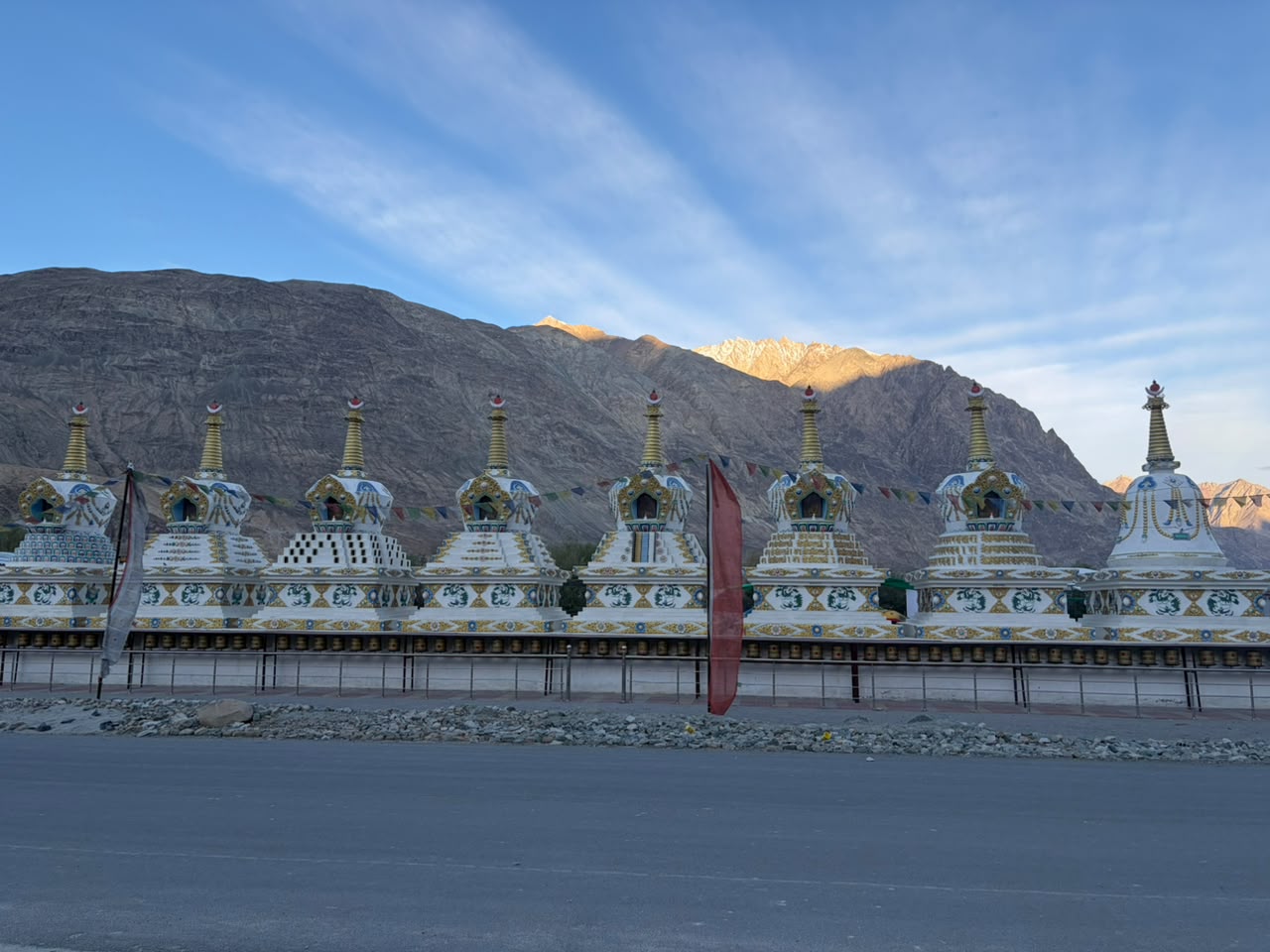
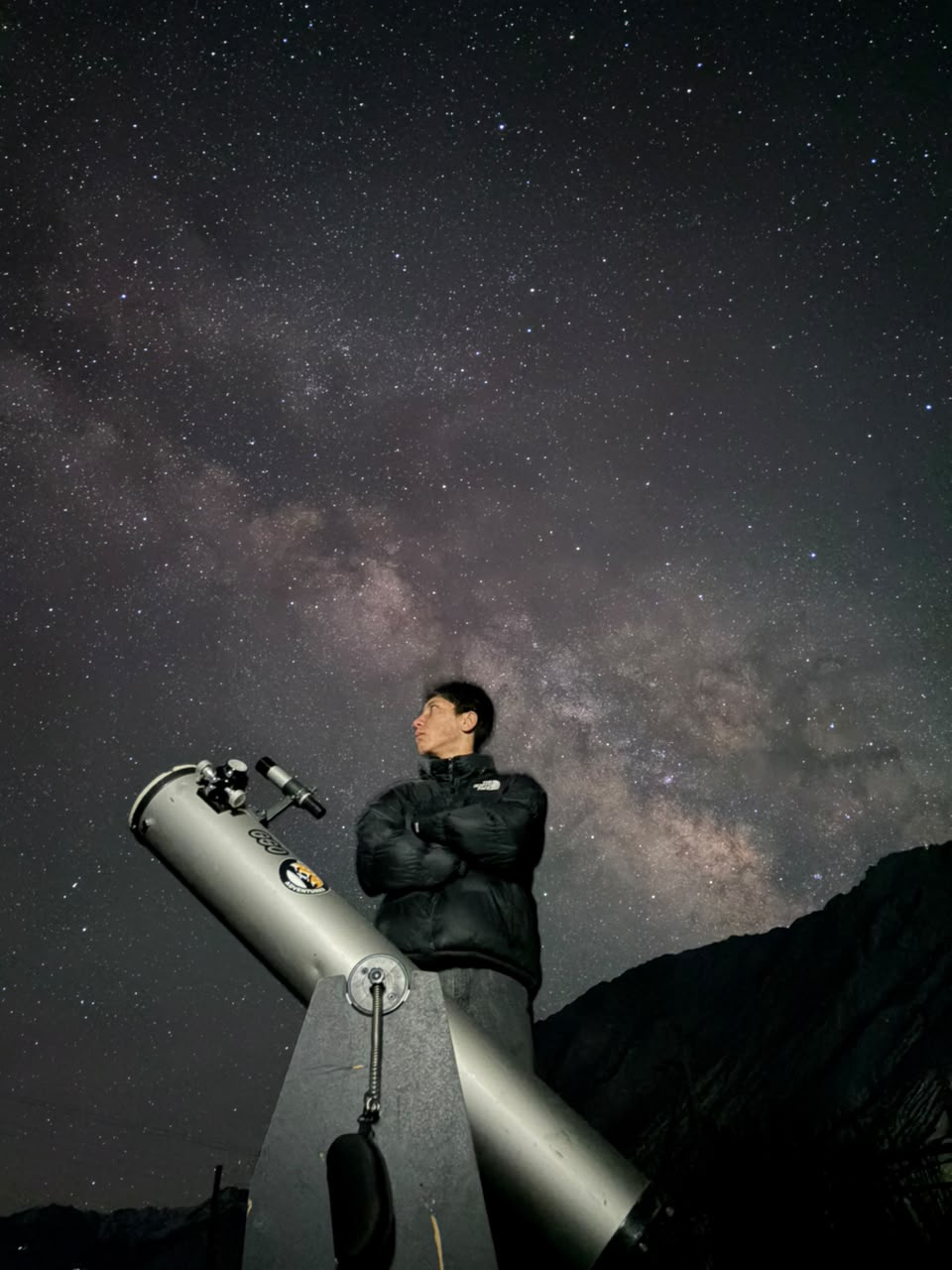
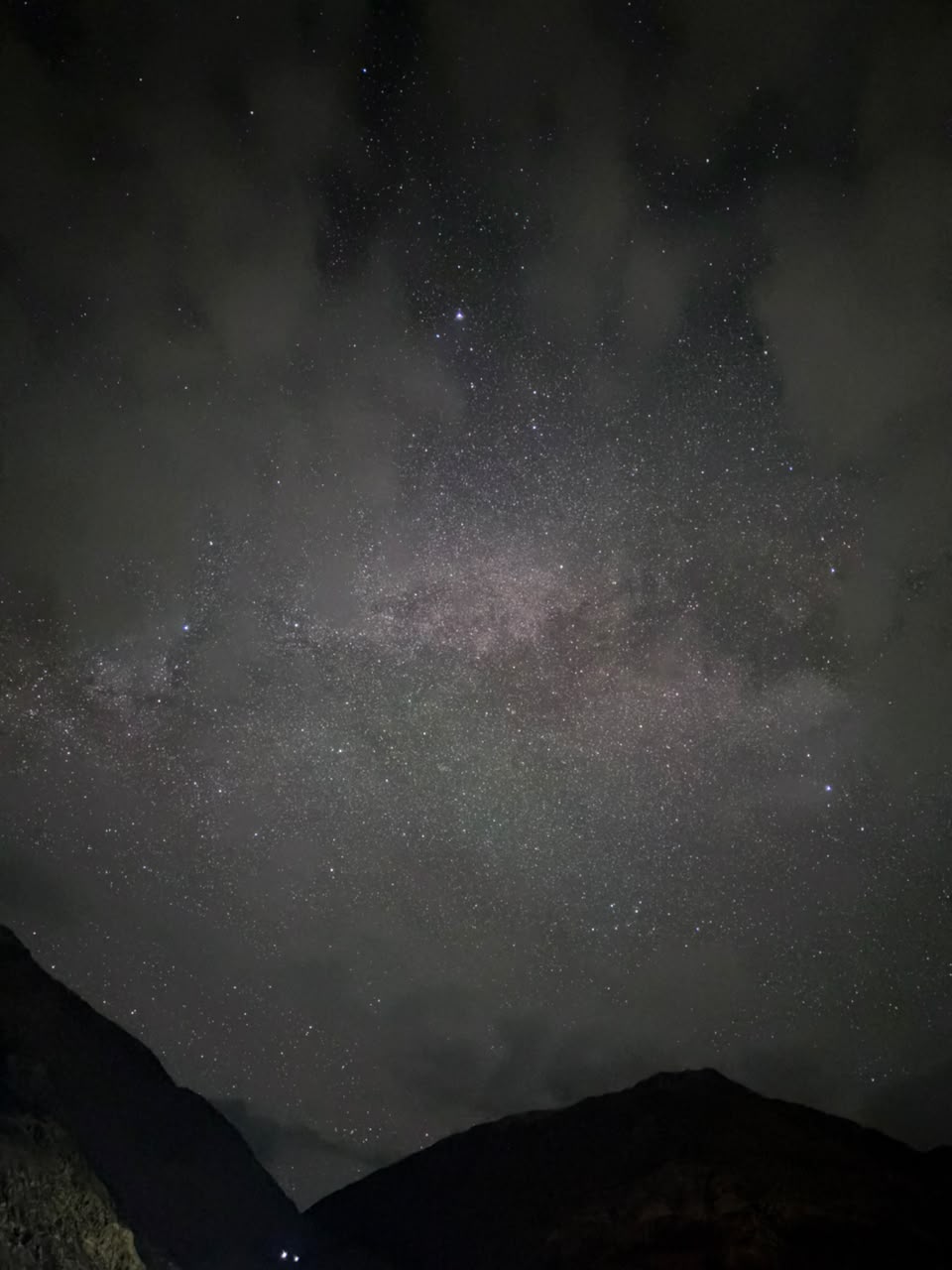
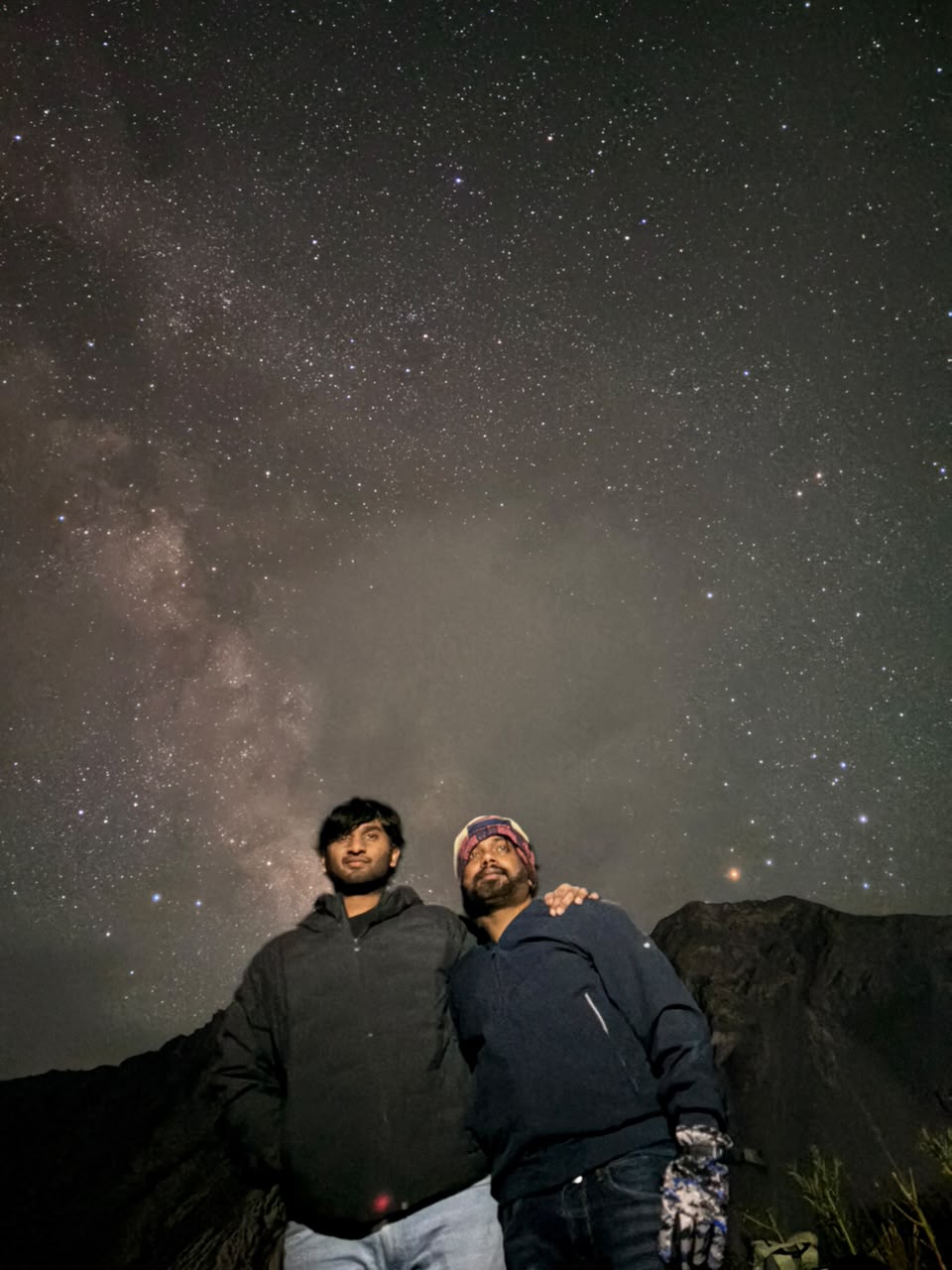
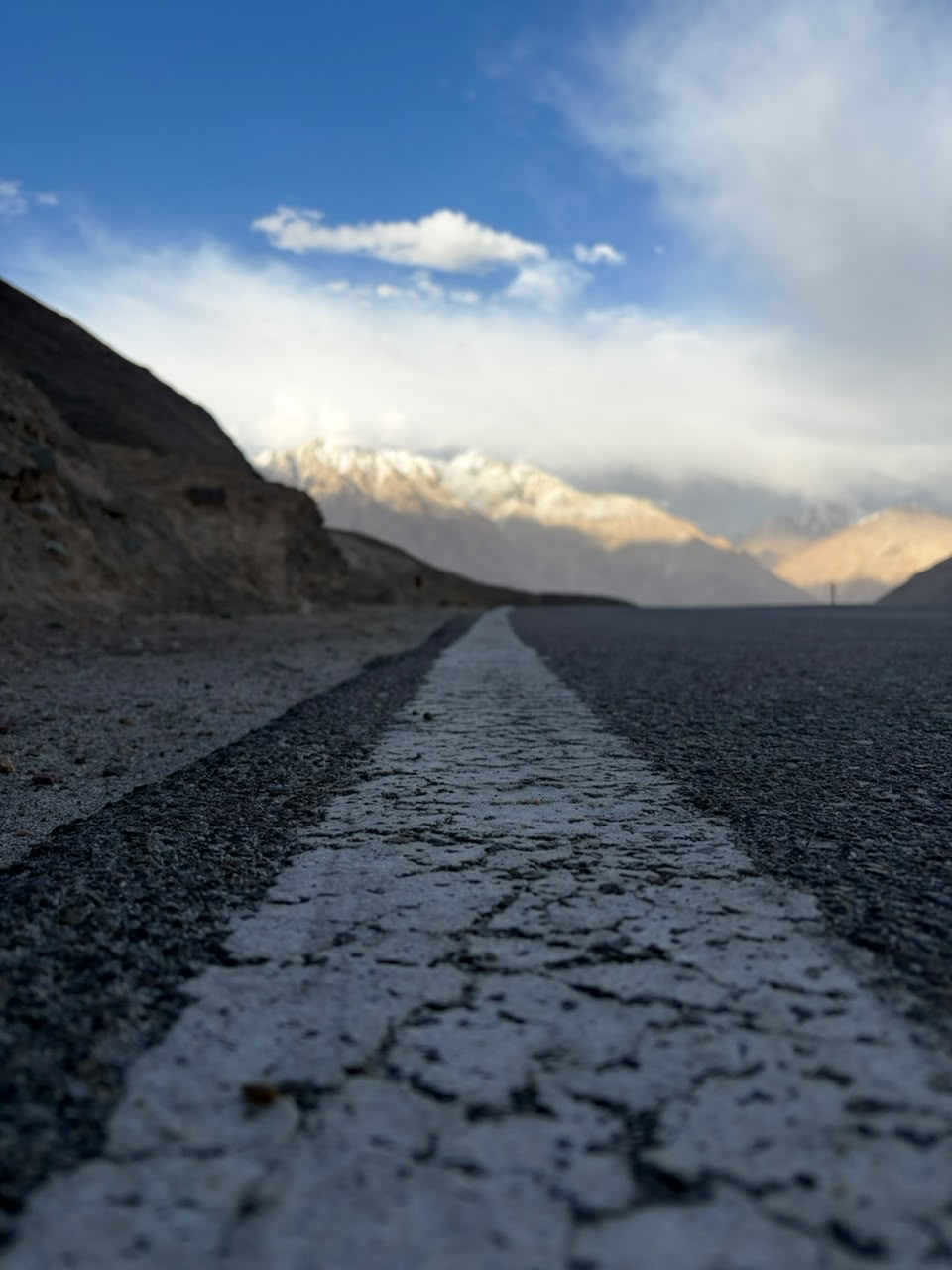
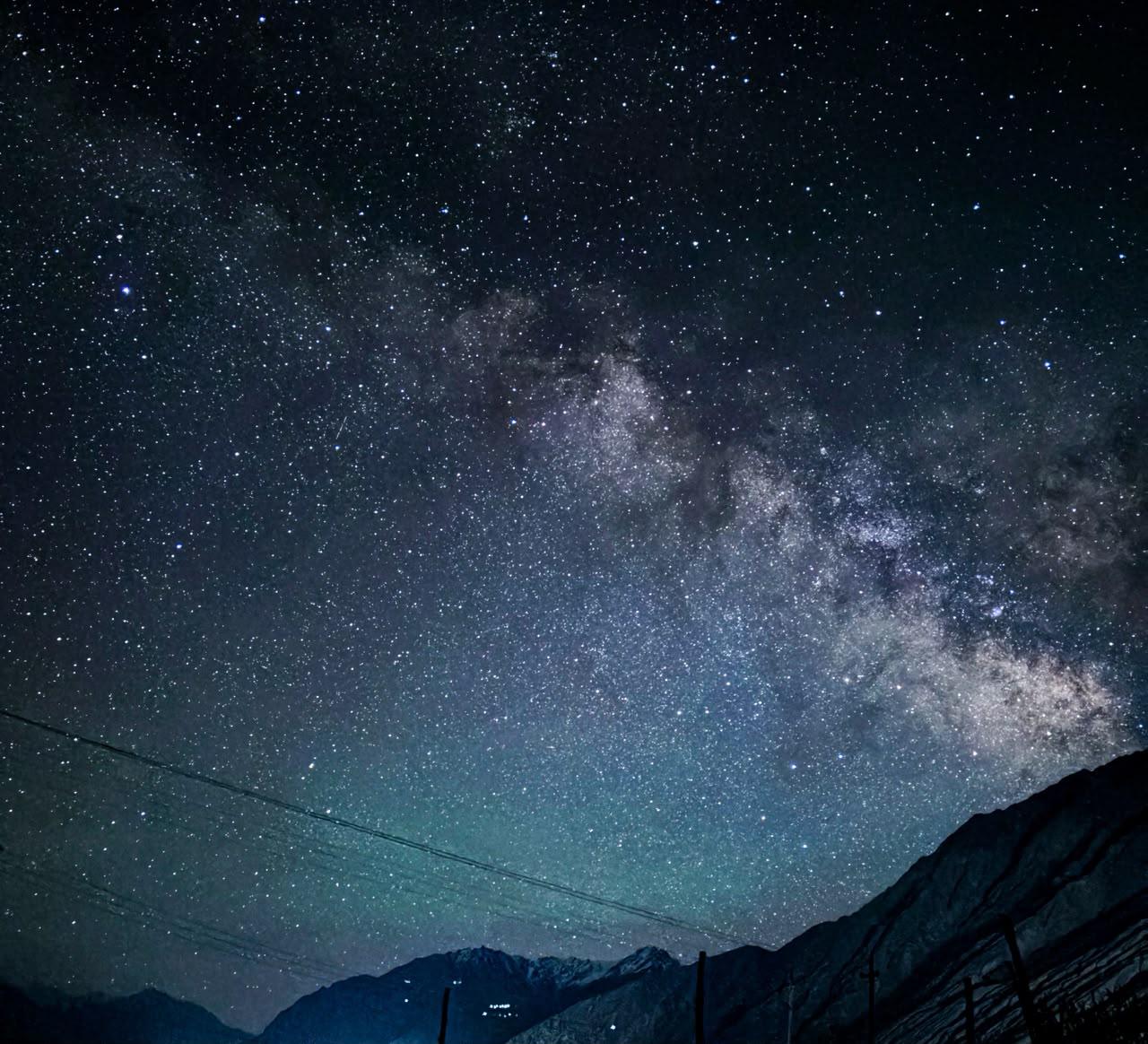
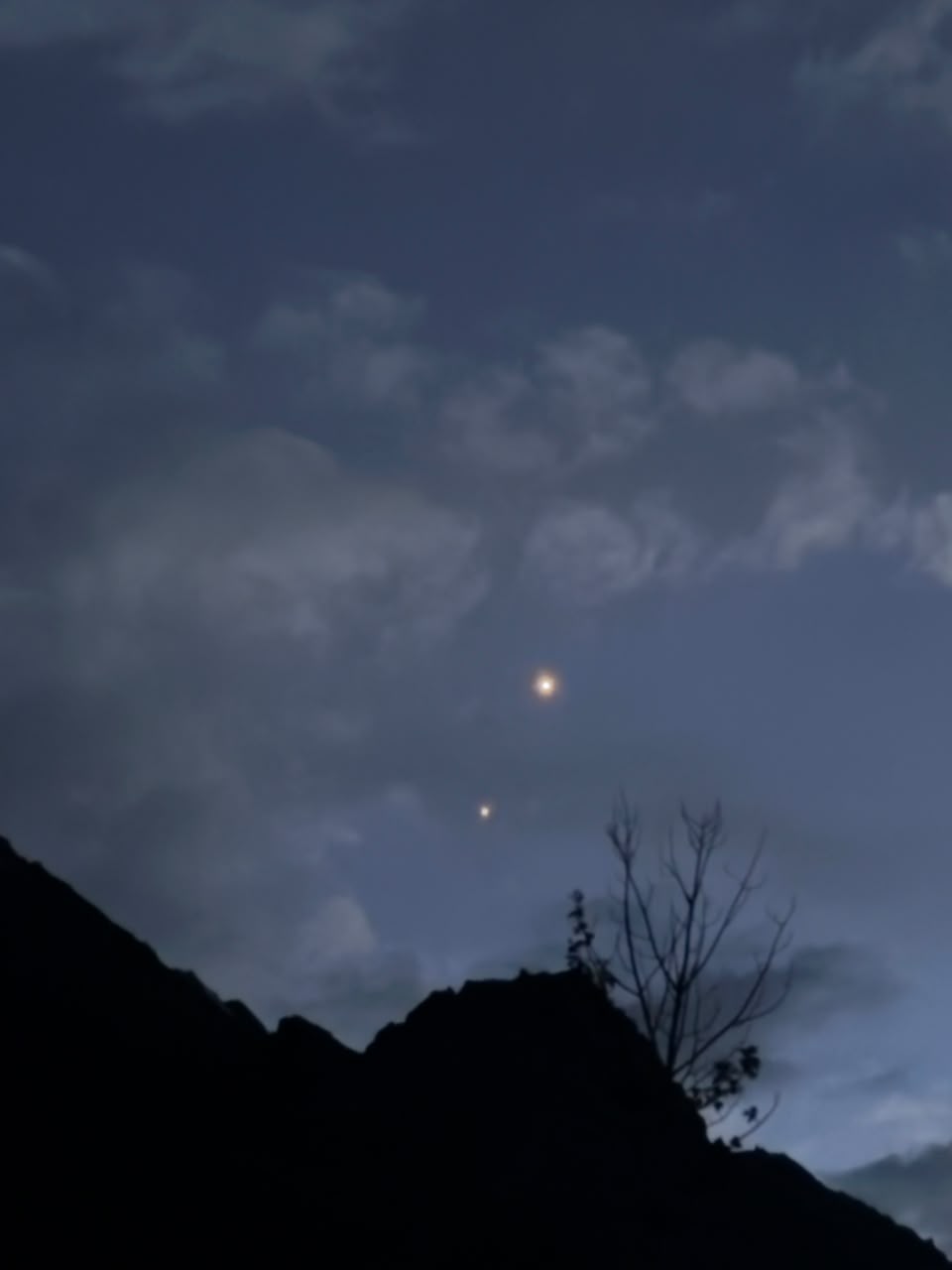
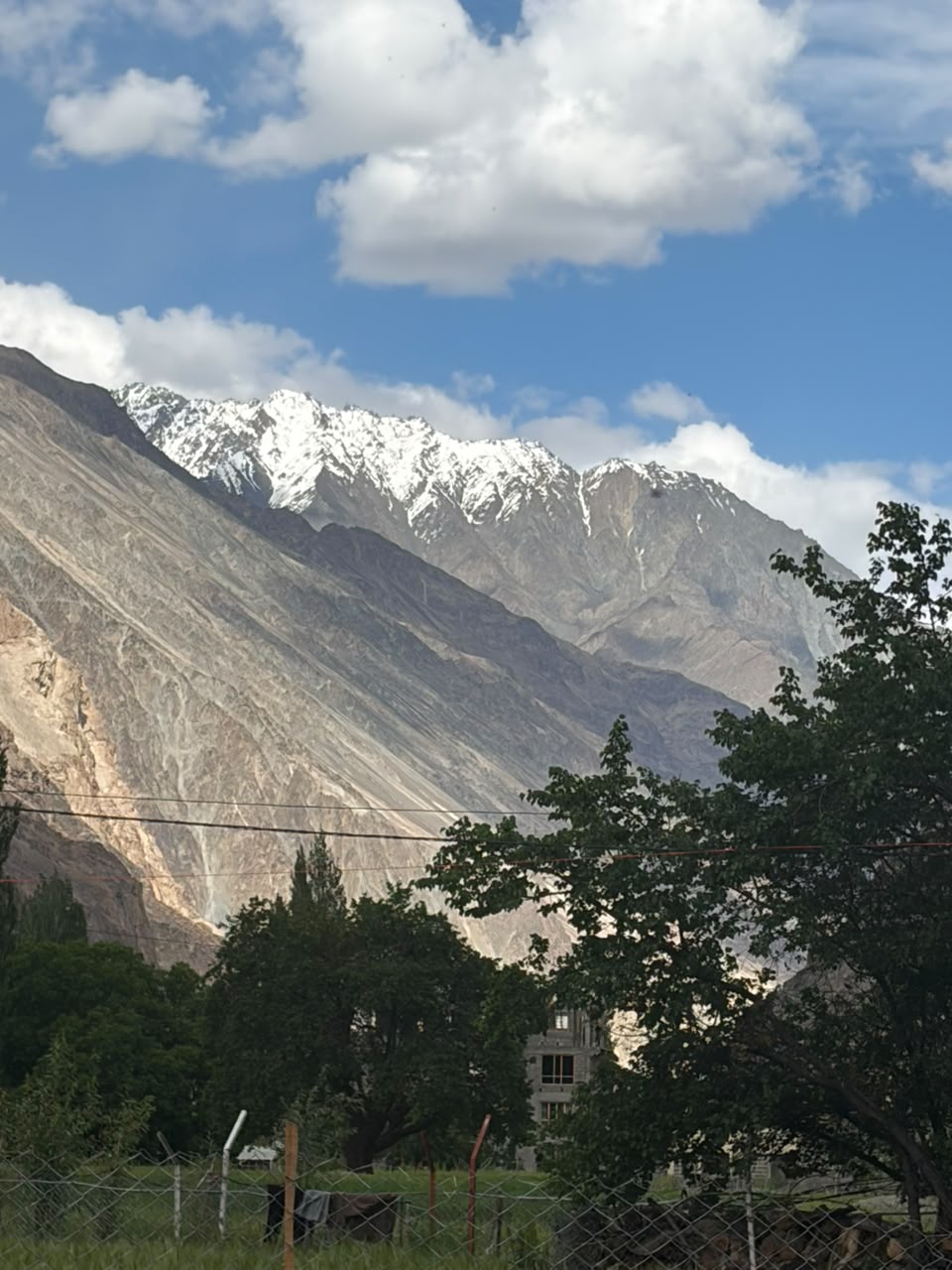
Family of four at the telescope during a Ladakh stargazing night Milky Way core rising over a mountain ridge on a Ladakh stargazing night Stellar Adventures guide beside a Newtonian telescope under the Milky Way in Ladakh Snow-capped Ladakh peak framed by Buddhist prayer flags at a village gate Guest smiling beside the telescope under the Milky Way at a Ladakh stargazing session Milky Way arching over the Ladakh mountains and village lights Row of Buddhist stupas and prayer wheels below the mountains in Nubra Valley, Ladakh Stargazer beside a Newtonian telescope under a star-filled Ladakh sky Milky Way glowing through thin clouds above the Ladakh mountains Snow-capped Himalayan range under a clear blue sky in Ladakh Two friends watching the Milky Way on a Ladakh stargazing night Celestron telescope set up with a red night light during a Ladakh astronomy session Empty Ladakh highway leading toward snow-capped peaks at first light Star-filled Ladakh night sky above a dark mountain silhouette Snow-capped Ladakh peak rising behind poplar trees in the valley Starry Ladakh sky above a snow-covered mountain range Nubra Valley landscape with bare mountains and open ground in Ladakh Wide Milky Way panorama over the Ladakh mountains from a dark sky site Two bright planets close together in the Ladakh twilight sky above a ridge Snow-capped Himalayan peak above trees and village fields in Ladakh Soft-focus view of stars filling the Ladakh night sky
Best Stargazing Spots in Ladakh

Best Stargazing Places in Ladakh

We operate flagship stargazing sessions at Hanle Dark Sky Reserve (India's first IUCN dark sky reserve, Bortle 1, 4500m altitude), with permit support and acclimatization guidance.

Want astro-tourism with glamping, astro camping, bike trips, or nature activities? We cover 20+ Ladakh dark sky sites on booking basis, including Leh, Hanle, Pangong Lake, and Nubra Valley. Just tell us your preference.

LehBase Town
Diskit (Nubra)~115 km from Leh
Hunder (Nubra)~120 km from Leh
Sumur (Nubra)~125 km from Leh
Pangong (Spangmik)~150 km from Leh
Merak (Pangong)~170 km from Leh
Lamayuru~125 km from Leh
Tso Moriri (Korzok)~220 km from Leh
Hanle Dark Sky Reserve~270 km from Leh

Your Route to the Hanle Dark Sky Reserve

We take you to Hanle Dark Sky Reserve, home of the Indian Astronomical Observatory, and other high-altitude sites near Umling La. This is where our flagship stargazing events, star parties, and astro camping sessions happen under some of the darkest skies in India.

Want a stargazing experience at a different spot? We offer that too, on a booking basis. Whether it is Pangong Lake, Tso Moriri, Lamayuru, Nubra Valley, or any of our 20+ scouted dark sky sites, just book us and we will set up everything for you there.

Primary Zone: Hanle Dark Sky Reserve. Other locations are available on request, from accessible valleys to remote camps across Ladakh.
Month by Month

Best Time for Stargazing in Ladakh

Ladakh sits in a rain shadow, so you get 300+ cloudless nights a year. Still, each season shows you a different sky. Here is how we plan your dates.

May & June

We open our season as the high passes reopen and the Milky Way core starts rising early in the night.

  • Roads to Hanle, Pangong, Nubra open
  • Dry, crisp, transparent skies
  • Milky Way core visible after dusk
  • Nights around 0 to 5°C at altitude

July & August

This is our peak season. Ladakh's rain shadow can keep your sky clear while the rest of India sits under monsoon clouds.

  • Warmest nights of the year
  • Perseids meteor shower in August
  • Galactic core at its brightest
  • Book early, slots fill fastest now

September & October

This is the stretch we recommend most. Post-summer air turns glass-clear, crowds thin out, and October brings the driest, sharpest skies of the season.

  • Crystal transparency after summer
  • Milky Way core still up after dusk
  • Orionids meteor shower in October
  • Nights dip below freezing, we bring layers

November to April

We reserve winter's darkest, longest nights for serious astro travelers who are ready for extreme cold.

  • Geminids meteor shower in December
  • Temperatures fall to -20°C and below
  • Many passes close; Hanle needs planning
  • Winter trips run on special request only

Whatever month you pick between May and October, we time your Ladakh stargazing session to the new moon window for the darkest skies. Tell us your travel dates and we plan the rest.

Plan by the Moon, Not the Calendar

Pick the New Moon Week First

The one mistake that ruins Ladakh stargazing trips: booking travel dates first and checking the moon later. A bright moon washes the Milky Way out of even a Bortle 1 sky. Lock a new moon night below, then build the rest of your itinerary around it. We do this automatically for every booking. The exact new moon dates for the 2026 season are listed here.

New Moon Nights in Ladakh, 2026 Season
May 17Jun 15Jul 14Aug 12Sep 11Oct 10

☽ Each date above is that month's darkest, moonless night. Tell us your travel month and we lock your stargazing nights to that new moon window.

☾ Avoid full moon weeks if the Milky Way is your goal. Moonlit peaks are beautiful, but the galaxy disappears.

★ Even in a good window, the sky is darkest after moonset. We plan late-night sessions so you catch the deep-dark hours.

Mark Your Nights

The Stargazing Ladakh Sky Calendar

The headline nights we build special events around, right through Ladakh's May to October season. These are just the big ones. The plateau gives us many more dark nights between them, and we plan yours around the best.

Eta Aquariids

Dust from Halley's Comet streaks your pre-dawn sky, right as our Milky Way season opens.

June Solstice

The shortest night of the year. We make every minute of darkness count for you.

Delta Aquariids

A steady mid-year drizzle of meteors. Join us at a truly dark site and you catch the most.

Perseids

Our guests' favorite night of the year. Fast, bright meteors while the galactic core glows above you.

September Equinox

Nights start beating days again, and crisp post-monsoon skies return over the plateau.

Draconids

The rare shower that peaks in the early evening, so you can enjoy it right after dinner.

Orionids

Halley's Comet returns in spirit. We point you toward Orion and you count them after midnight.

Eclipses, supermoons, planetary conjunctions, and surprise comets join the list through the season. Tell us your travel dates and we tell you exactly what your Ladakh sky has planned.

Getting There Is Half the Adventure

Permits, Route & the Drive to Hanle

Hanle, Pangong, Tso Moriri, and Nubra all sit in protected border zones. Here is what the paperwork and the road actually look like, and yes, we handle all of it for our guests.

Permits, Sorted

  • ➤ Indian travelers need an Inner Line Permit (ILP), applied online through the official Leh portal. No office queues.
  • ➤ Carry the payment slip (PDF or print) plus your ID. Checkposts on the Hanle road do ask for it.
  • ➤ Foreign nationals need a Protected Area Permit (PAP) arranged through a registered operator.
  • ➤ We prepare and verify every permit before your trip as part of the booking. You just travel.

The Road from Leh

  • ➤ Around 270 km from Leh. Treat it as a full, scenic travel day with an early start.
  • ➤ Fuel up in Leh, carry snacks and water, and keep offline maps ready. Network drops for long stretches.
  • ➤ Pangong (via Chang La) and Nubra (via Khardung La) each take 5 to 6 hours; both can be combined with Hanle in one circuit.
  • ➤ Our trips run with experienced local drivers who know these high-altitude roads.
How Many Days You Need

Sample Ladakh Stargazing Itineraries

Two routes we run most often, each timed to the new moon window and built around acclimatization so you never rush the altitude. Use them as a starting point, then we tailor the final plan to your dates and budget.

5 Days

Leh to Hanle and Back

The fastest way to reach Bortle 1 skies without skipping acclimatization.

  1. Day 1 - Leh: Arrive, rest, and let your body adjust to 3,500 m. No exertion.
  2. Day 2 - Leh: Easy local sights while you acclimatize for the higher nights ahead.
  3. Day 3 - Leh to Hanle: Drive across the Changthang plateau. Your first Bortle 1 telescope night.
  4. Day 4 - Hanle: Daytime observatory-belt visit, a session with local Astronomy Ambassadors, and a second night under the darkest sky with astrophotography.
  5. Day 5 - Hanle to Leh: Return drive and departure.
7 Days

Full Dark-Sky Circuit

Hanle plus the lakes and Nubra, for travelers who want the whole plateau.

  1. Day 1-2 - Leh: Arrive and acclimatize over two nights.
  2. Day 3 - Nubra Valley: Cross Khardung La. A warm-up dark-sky night at a gentler altitude.
  3. Day 4 - Pangong Tso: Lakeside stargazing with the Milky Way mirrored on the water.
  4. Day 5 - Pangong to Hanle: Move to the darkest site for a telescope night at 4,500 m.
  5. Day 6 - Hanle to Tso Moriri: Via the Puga hot springs, then quiet stargazing at Korzok.
  6. Day 7 - Back to Leh: Add Umling La, the world's highest motorable road, on the way out. Departure.

Want a shorter 3-night taster, a longer 8 to 9 day expedition with Umling La, or a bike trip across the high passes? We plan fully custom Ladakh stargazing itineraries around your travel dates, group size, and budget. Tell us what you have in mind.

Respect the Altitude

Acclimatize Well, Pack Warm

Ladakh's sky rewards you when you prepare well. Stargazing here means staying out at night at 3,500 to 4,500 m, where the air is thin and temperatures fall fast after sunset, even in summer. We plan the pace, route, and night kit carefully to keep your trip comfortable.

Acclimatization Rules We Follow

  • ➤ Spend your first 48 hours in Leh (3,500 m) doing very little. Let your body catch up before going higher.
  • ➤ Climb gradually: Leh first, then Nubra or Pangong, and Hanle after that. We sequence every itinerary this way.
  • ➤ Drink more water than you think you need, skip alcohol on the first days, and tell us about any heart or breathing conditions.
  • ➤ Headache, nausea, or dizziness? Tell your guide immediately. We adjust the plan, no questions asked.

What to Pack for the Nights

  • ➤ Thermal base layers, a down jacket, gloves, and a warm cap. Nights can touch 0°C at altitude even in July.
  • ➤ A red-light torch to protect your night vision. We carry spares, but your own helps.
  • ➤ Power banks and spare camera batteries. High-altitude cold drains them surprisingly fast.
  • ➤ Sunscreen and sunglasses for the day. The UV at this altitude is stronger than it feels.

Stargaze responsibly: The Changthang plateau is a fragile, protected ecosystem. On every trip we keep white lights off, carry all waste back, respect wildlife and drone restrictions, and book local homestays and Astronomy Ambassador sessions so the dark-sky economy supports Hanle's own families.

Our Telescope & Equipment Arsenal

Professional-Grade Gear for High-Altitude Nights

Telescopes We Use

  • Dobsonian telescopes (8" to 16")
  • Schmidt-Cassegrain telescope
  • Refractor and reflector telescopes
  • Maksutov-Cassegrain
  • Celestron NexStar 8SE
  • Celestron Astromaster 130
  • Explore Scientific 16-inch Truss Tube
  • Newtonian with equatorial mount
  • Computerised GoTo mount
  • Solar telescope for daytime

Astrophotography Kit

  • DSLR and mirrorless camera setups
  • Wide-angle lens (fast aperture f/2.8)
  • Star tracker for long exposure
  • Sturdy tripod and remote shutter release
  • Intervalometer and cable release
  • Deep sky camera (ZWO, SVBONY)
  • Planetary camera for close-ups
  • Barlow lens and planetary filters
  • Camera adapter and T-Ring

Cold & Altitude Kit

  • Red-light torches (preserve night vision)
  • Thermal mats and blankets for sessions
  • Hot water and warm drinks at camp
  • First-aid kit for high-altitude nights
  • Power banks (cold drains batteries fast)
  • Binoculars for wide Milky Way sweeps
  • Planisphere and sky maps
  • Stellarium app, Star Walk app, Photo Pills app
How It Works

Book Your Ladakh Astro Tour

STEP 01

Share Your Travel Dates

Tell us your dates, group size, and dream spots. Hanle? Pangong? A bike circuit?

STEP 02

We Lock the Moon Window

We fit your trip to the darkest nights, then arrange permits, stays, and transport.

STEP 03

Acclimatize in Leh

We keep your first two days easy at 3,500 m, with gentle daytime sightseeing while your body adjusts.

STEP 04

Stargaze Under Bortle 1

We set up our telescopes at Hanle, Pangong, or Nubra, guide your viewing, and let the galaxy do the rest.

Perfect for Everyone

Who Joins Our Ladakh Stargazing Events?

Bikers & Road-Trippers

Stars after the passes

Astrophotographers

Bortle 1 foregrounds

Honeymooners

A galaxy for two

Solo Travelers

Join a group departure

Families

Acclimatization-friendly plans

Corporate Teams

Offsites at the Roof of the World

Students & Colleges

Astronomy expeditions

Deep Sky Enthusiasts

Messier hunting at 4,500 m

What Our Ladakh Clients Say

Memories That Last a Lifetime

Google review of Stellar Adventures Nubra Valley stargazing trip over Khardung La in Ladakh Google review of Stellar Adventures Pangong Lake night camp and Milky Way astrophotography in Ladakh Google review of Stellar Adventures Hanle Bortle 1 dark sky stargazing trip in Ladakh Google review of a Stellar Adventures Lamayuru Moonland astrophotography night in Ladakh Google review of Stellar Adventures Tso Moriri and Korzok village dark sky stay in Ladakh

Quick Answers

Got Questions? We've Got Answers

Planning your first stargazing night in Ladakh? Here's everything you need to know before booking, including permits, altitude, and the best season.

Not at all. We bring everything you need for the session. Professional-grade Dobsonian telescopes, Celestron NexStar, refractor and reflector setups included. High-powered eyepieces, binoculars, solar filters, and green laser pointers provided. Red-light torches, planispheres, and sky maps are ready for you. You just show up. We handle the rest completely. For astrophotography, bring your DSLR or phone and we guide you. One thing you should carry yourself in Ladakh is warm thermal clothing and layers, since nights at 4,000+ m get very cold even in summer.
Ladakh is a high-altitude cold desert, so clear nights are common, especially from May to October. Still, we monitor weather and cloud cover closely before every event. If clear skies are unlikely, we reschedule to the next available slot in your itinerary. Rescheduling is at no extra cost to you. Your experience matters more than anything to our team. We never want you staring at clouds instead of constellations and planets.
Absolutely. Our sessions are designed to be family-friendly. Kids love seeing Moon craters, Saturn's rings, and shooting stars. We use interactive storytelling to keep young minds curious and engaged. For Ladakh, we do suggest one thing: give the whole family a day or two in Leh to acclimatize to the altitude before heading to higher sites like Hanle or Pangong, especially with young kids or older guests. For overnight retreats, we arrange stays, dinner, breakfast, and hot drinks. We also offer educational school and college programs.
The best window is May to October, when the high passes and roads to Hanle, Pangong, and Nubra stay open. New moon nights give you the darkest skies for observation. Ladakh's thin, dry, high-altitude air makes the Milky Way and galactic core stunningly clear, and October's extra-dry air gives some of the sharpest skies of the whole season. We plan special events around the Perseids and Orionids meteor showers, supermoons, and planetary conjunctions. Winter brings the darkest skies of all but extreme cold and many closed roads, so those trips run only on special request.
Yes, on a booking basis. Our flagship events happen around Hanle Dark Sky Reserve. But if you want us at your camp, hotel, homestay, or a remote site in Pangong, Nubra, or Tso Moriri, just book us. Our team arrives with all telescopes, accessories, and equipment needed. We just need open sky above and minimal light pollution around. Do note that Hanle, Pangong, Nubra, and Tso Moriri fall in protected zones, so an Inner Line Permit is required. We help you sort the permit and route as part of the booking.
For Ladakh we recommend booking at least 3 to 4 weeks before your date. This gives us time to arrange permits, stays, transport, and the right dark sky site for your group. Our events have limited slots on a first-come, first-served basis. For large groups, corporate trips, and school programs, plan even earlier. The more notice you give us, the smoother and better the setup.
Through our telescopes you can see Moon craters and lunar surface features. Saturn's rings, Jupiter's moons, and cloud bands are clearly visible. Venus, Mars, Mercury, the Milky Way, and galactic core too. The Orion Nebula, Andromeda Galaxy, and deep sky objects included. Globular clusters, open clusters, sunspots, and double stars are observable. Messier objects and constellations like Orion, Scorpio, and Cassiopeia visible. What you see depends on the season and sky conditions.
Hanle is the best place - home to the Indian Astronomical Observatory and India's first Dark Sky Reserve, with Bortle 1 skies at about 4,500 m. Pangong Tso, Tso Moriri, Nubra Valley, and Lamayuru are also outstanding dark-sky spots. We run guided sessions at all of them, and we pick the location that fits your route and dates.
The Milky Way core is visible from around March to October, and it shines brightest between May and October on new moon nights. At Ladakh's altitude, with thin dry air and near-zero light pollution, you can see it clearly with the naked eye. Through our telescopes and astrophotography setups, the galactic core becomes a memory you will never forget.
Yes. Pangong Tso sits at about 4,225 m with virtually no light pollution, so you can stargaze right from the lakeshore. Night temperatures drop sharply even in summer, so we bring thermal layers, hot drinks, telescopes, and astrophotography support to every lakeside session. The stars reflecting over the water make it one of the most surreal sights in Ladakh.
No, and it is better that you know this before going. The Indian Astronomical Observatory is a working research facility, so visitors are welcome around the telescope domes only in daylight hours. There is no tourist telescope inside for night viewing. Your actual stargazing happens out on the open plateau, which is exactly what our guided telescope sessions cover. It is also worth booking a session with Hanle's local Astronomy Ambassadors, trained by the Indian Institute of Astrophysics, since that supports the village directly.
Plan at least 5 to 7 days. Give yourself 2 days in Leh to acclimatize, a full day for the drive to Hanle or your chosen dark-sky site, and at least 2 nights there so one cloudy night can never wipe out your plan. If you want the full circuit with Pangong, Nubra, and Hanle together, 8 to 9 days is the sweet spot. We build every itinerary around your dates and the new moon window.
Yes. Foreign nationals are welcome at Hanle, Pangong, Tso Moriri, and Nubra, but the permit is different. Instead of the Inner Line Permit that Indian travelers use, foreigners need a Protected Area Permit, usually issued for a group through a registered operator. We arrange the permit, the route, and your stay as part of the booking, so the paperwork never becomes your problem.
There is no single fixed price, and anyone quoting one before knowing your plan is guessing. Your cost depends on the number of days, group size, the stay you choose (homestay, glamping, or hotel), the sites you cover, and transport plus permits. A short Leh to Hanle trip costs far less than a full 8 to 9 day circuit with Pangong and Nubra. Share your travel dates and group size and we send a clear custom quote with everything included.
Contact Us

Get in Touch with Ladakh Stargazing Experts

We'd love to hear from you

Have a question about stargazing in Ladakh? Want to plan a Hanle trip, a private event, or a school session? Reach out anytime. We respond quickly.

Location

Ladakh, India

LadakhIndia
Open in Maps ↗
Instagram WhatsApp